Anthem vs North Phoenix Homes: Which Area Fits You?
January 15, 2026
January 15, 2026
Trying to decide between Anthem and North Phoenix? You’re not alone. Both offer strong lifestyle perks, but the day-to-day feel can be very different. If you want clarity on housing styles, HOA structures, parks and trails, and commute tradeoffs, you’re in the right place. By the end, you’ll have a simple checklist to narrow your search and a plan to test-drive your favorite neighborhoods. Let’s dive in.
Anthem is a master-planned community in unincorporated Maricopa County along the I‑17 corridor north of Phoenix. Most of the homes were built from the late 1990s through the 2010s in coordinated residential villages. You’ll find a suburban setting with a consistent neighborhood identity, community programming, and amenities that serve daily life.
The overall feel is orderly and predictable. Streetscapes, parks, and common areas are designed as part of a community plan. If you like a quieter environment with built-in amenities and a defined neighborhood center, Anthem often checks those boxes.
North Phoenix refers to a large span of neighborhoods within the City of Phoenix north of central areas. It includes established inner-north pockets like North Mountain and Moon Valley, mid-north zones such as Deer Valley, and newer planned communities in the far north near Sonoran foothills. The boundaries are market-driven, not a single city, so micro-neighborhood differences matter a lot.
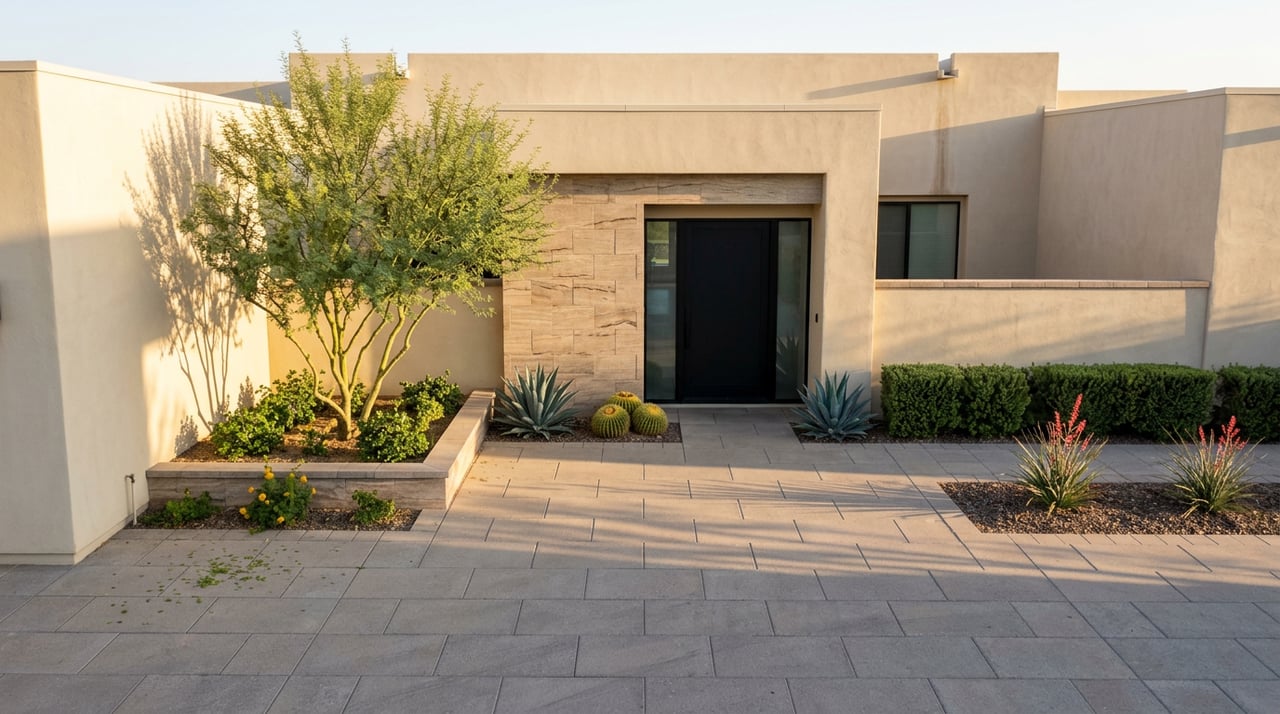
The variety is the draw. You can move a few blocks and see different architecture, lot sizes, and price positioning. Some areas feel more urban and close to activity, while others feel suburban with newer builds and gated options.
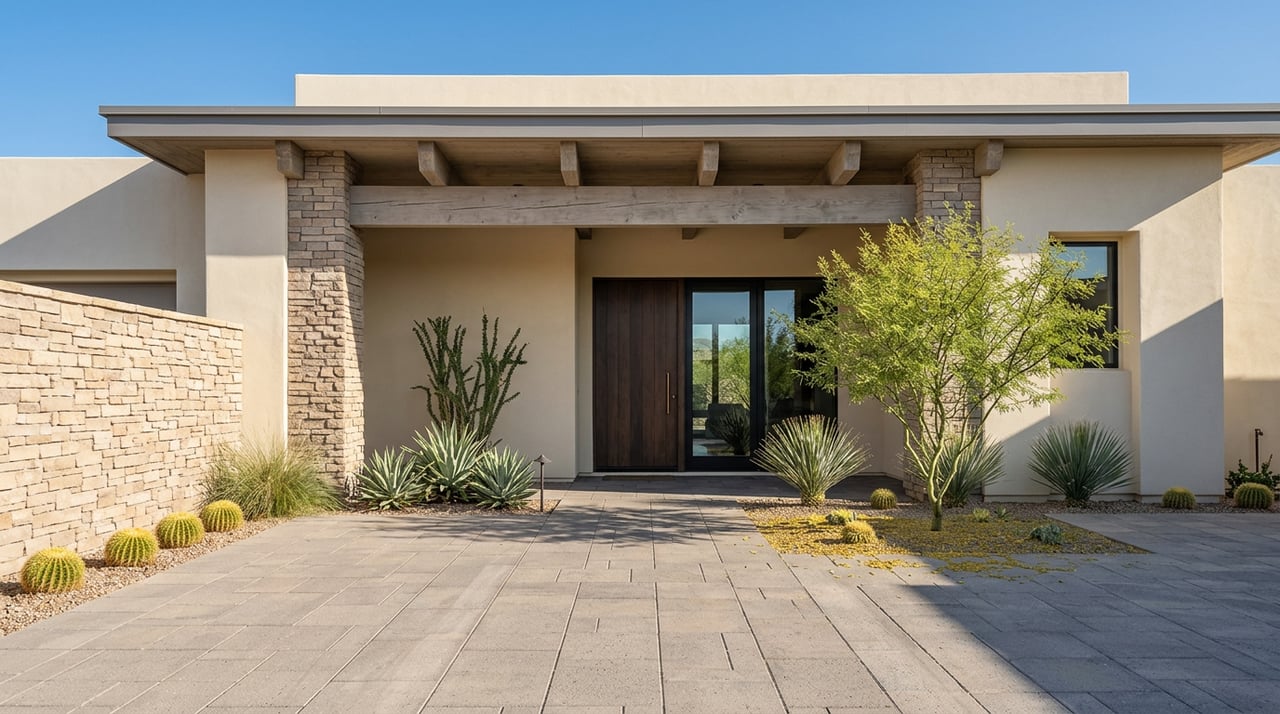
Anthem’s housing stock is dominated by single-family homes in planned subdivisions, often with 3 to 5 or more bedrooms. There are also attached or paired villas and some townhome pockets. Lots tend to be a bit larger than many inner-city neighborhoods.
For budget planning, think in three broad bands. Entry-level options are smaller homes or townhomes, often older resale within the community. Move-up homes make up most of the market, with single-family models on moderate lots built by regional builders. Premium listings include larger lots, upgraded or semi-custom homes, and properties along the edges with added privacy or views.
A key advantage is predictability. You’ll see consistent build quality, community design, and a clear amenity package across neighborhoods.
North Phoenix offers high variety. You’ll see older single-family homes from mid-century eras, infill builds on custom or irregular lots, condos and townhomes near commercial hubs, and newer gated subdivisions near the foothills. Architectural styles and lot sizes can vary widely over short distances.
Prices span a broad spectrum, from some of the metro’s more affordable older homes to higher-end foothill and gated properties. Because variation is the norm, real comparisons should be neighborhood-specific. The decision often hinges on the exact block or subdivision rather than the broad “North Phoenix” label.
Anthem uses a master association structure, with a community-level body that manages large shared assets, enforces rules, and maintains common areas. Sub-associations exist for certain villages or gated pockets. Master dues typically support community parks, pools, amphitheater and event spaces, playgrounds, sports fields, a community center, internal trails, and landscaping in common areas.
For you, that means predictable amenities and consistent maintenance, balanced by mandatory dues and community covenants. Rules can influence exterior appearance and use, including items like fencing, solar visibility, and rental parameters. Gated sub-neighborhoods may have additional fees.
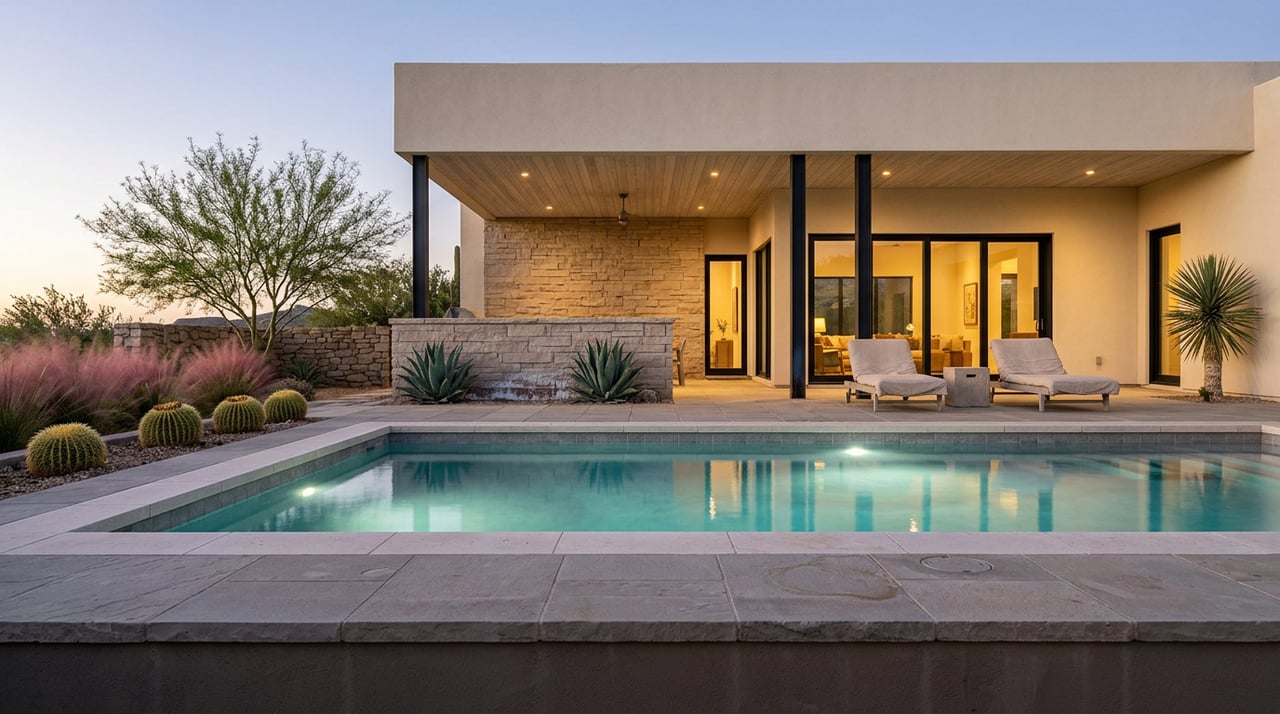
North Phoenix includes everything from no-HOA streets in older areas to small neighborhood HOAs and large master associations in planned developments. Gated enclaves can include private amenities such as pools, fitness rooms, and landscaped entries. In older neighborhoods, you may find no dues or only small civic associations with limited scope.
This variety gives you choice. If you prefer fewer rules, focus on HOA-free pockets. If you want amenities and gated access, target planned communities with robust associations. Always review governing documents, fee structures, reserve funding, and any rental or architectural guidelines within the specific neighborhood you are considering.
Anthem emphasizes built-in recreation. You’ll find internal trails, neighborhood parks, community greenbelts, sports fields, and aquatic facilities aligned with a master plan. Community events and organized recreation are common, which makes it easy to plug into neighborhood life.
Regional access north of Phoenix offers desert foothills and open space a short drive away. That said, Anthem’s biggest draw is the everyday convenience of neighborhood-level play spaces and scheduled programs close to home.
Many North Phoenix neighborhoods sit near the Phoenix Mountain Preserves and other protected desert parks. Depending on your specific location, you may be a short drive from rugged trail systems in areas like North Mountain, Shaw Butte, and Sonoran Desert preserves, along with regional open space toward Cave Creek.
If your priority is frequent, easy access to multi-use trails, mountain hikes, and varied terrain, North Phoenix often delivers more options within a shorter drive from many neighborhoods.
Anthem relies on I‑17 for most trips south into Phoenix. North Phoenix neighborhoods often have easier access to Loop 101, SR‑51, and I‑17, plus a wider network of local arterials like Tatum Boulevard, Cave Creek Road, and 7th, 16th, and 32nd Streets. Your exact entry point to the freeway network will influence daily drive times.
In general, Anthem residents face a longer daily drive to central Phoenix than many North Phoenix neighborhoods. Travel is straightforward on I‑17, but peak periods add congestion and variability. If you commute to downtown or central employment centers, plan on a larger time and mileage budget from Anthem.
North Phoenix tends to offer shorter commutes to central and many East Valley destinations, especially where Loop 101, SR‑51, or I‑17 access is direct. Travel times can still vary widely by time of day and location, so always test the route from a specific address.
Transit coverage is more limited in Anthem due to its unincorporated location. North Phoenix generally has more options for bus routes and park-and-ride access, depending on the corridor. Bicycle and carpool commuting can be more feasible from parts of North Phoenix with closer proximity to job centers. In either case, car travel remains the norm.
Pro tip: do a “test commute” at your typical travel times using live traffic navigation, and repeat it on different days. This simple step can make your decision much easier.
Both Anthem and North Phoenix can be great choices. Your best fit depends on how you weight space and community amenities versus commute time and variety. Start with lifestyle priorities, run a few test drives, and compare apples to apples in your target neighborhoods. A little upfront planning will make your decision clear.
If you want hands-on guidance and neighborhood-specific comps to make a confident call, connect with Christina Ramirez. We’ll walk you through the tradeoffs, preview shortlist homes, and help you land the right fit.
Stay up to date on the latest real estate trends.