Glendale Pool Home Value: Are Backyard Pools Worth It?
December 18, 2025
December 18, 2025
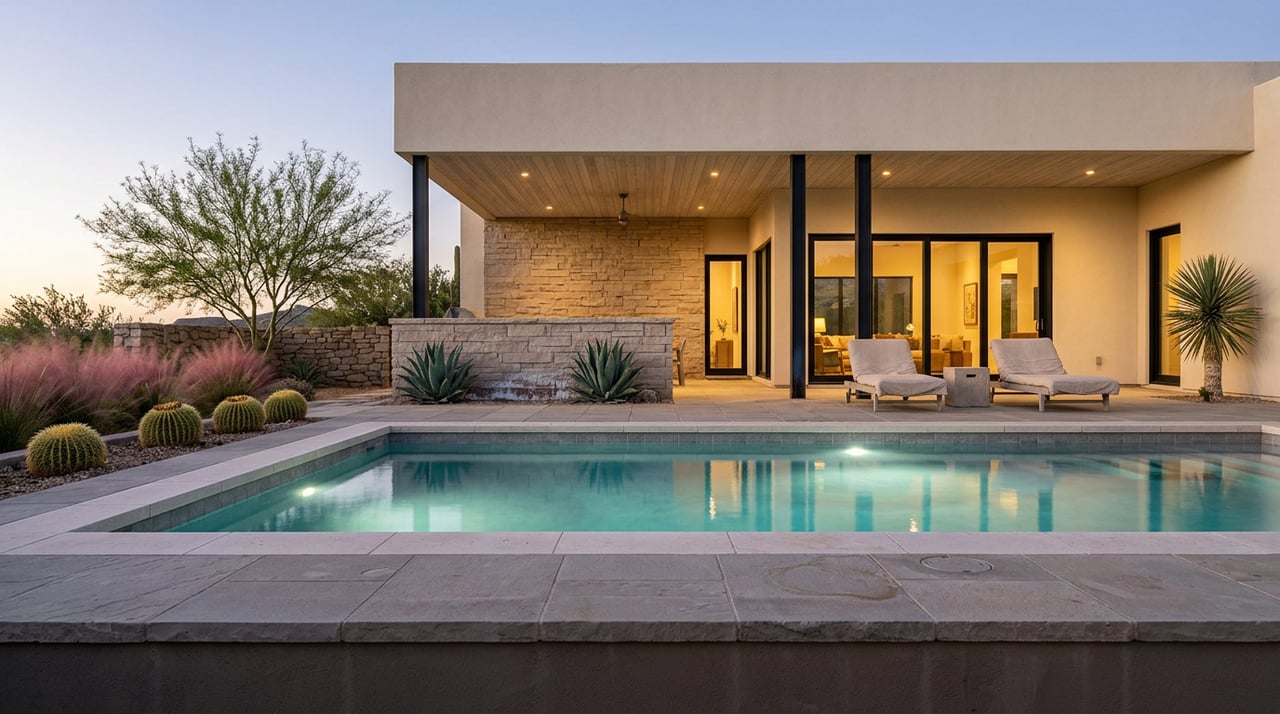
Thinking about adding a pool or selling a Glendale home with one? In our desert climate, a sparkling backyard pool can feel essential. Still, not every pool boosts value the same way, and the payoff depends on neighborhood norms, condition, and timing. In this guide, you’ll learn how pools typically affect resale, what local rules and costs to expect, and how to decide if a pool makes sense for your situation. Let’s dive in.
Glendale sits in the Phoenix metro’s hot, dry climate. Long summers and mild winters make pools usable for much of the year, which often improves their appeal. Buyer interest in pools tends to rise in spring and early summer, so season can matter when you plan to list.
Pool value is tied to what nearby homes offer. If most comparable homes in your neighborhood already have pools, buyers may see a pool as expected. If pools are rare, a pool can be a differentiator for some buyers but may narrow the audience for others who prefer low-maintenance yards.
Different buyers value pools differently. Families, outdoor-living enthusiasts, and higher-price-tier shoppers may prioritize a private pool. First-time buyers, downsizers, or anyone focused on low upkeep or liability may view a pool as a negative.
Appraisers rely on the sales-comparison approach. They review recent Glendale sales of similar homes and adjust for differences like a pool. Pools do not add dollar-for-dollar value automatically. Condition, safety, and what recent local sales show are the drivers of any adjustment.
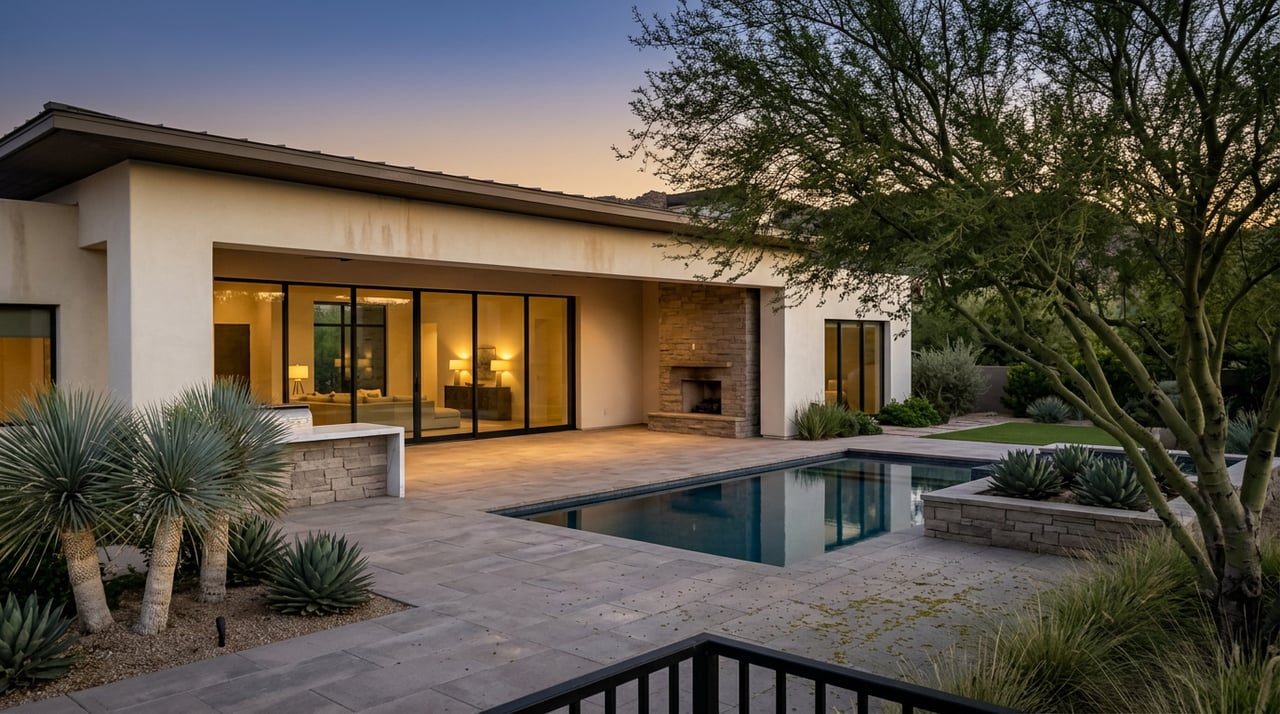
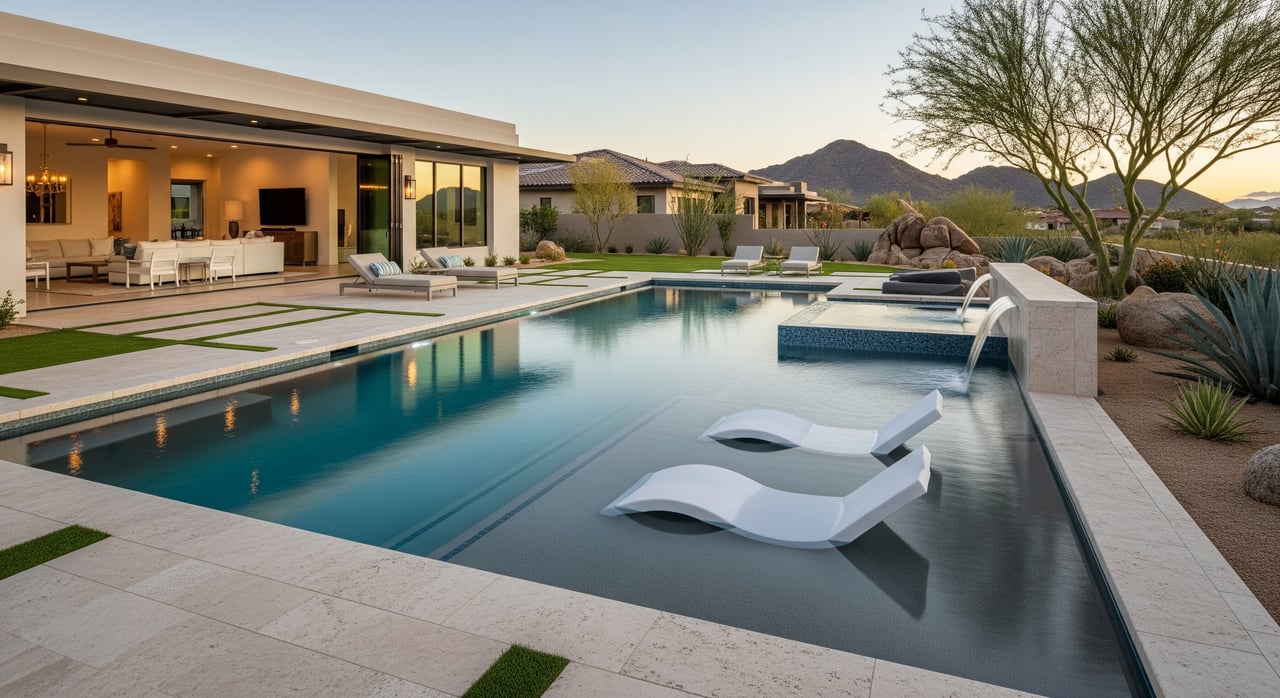
A well-maintained pool in a neighborhood where pools are common or expected can improve saleability and may contribute positively to sale price. Strong presentation and documented maintenance often help appraisers and buyers feel confident.
If a pool is in poor condition, needs major repair, or lacks permits or required safety features, it can reduce appeal and limit financing. In areas where buyers prefer low-maintenance yards, a pool can narrow the buyer pool and weigh on time to sell.
Common choices include above-ground pools, vinyl-liner inground pools, and gunite or concrete designs. Total cost depends on size, finishes, decking, landscaping, and features like spas or water features. Site conditions and permit requirements can also affect price and timeline.
Plan for chemicals, pump and filter operation, electricity, regular cleaning, and occasional equipment replacement. Many finishes need resurfacing or replastering on a long cycle. In our hot, dry climate, evaporation drives higher refill and chemical needs, so budget accordingly.
Water conservation and drought programs can influence pool use and public attitudes. Efficient equipment and a quality cover can reduce evaporation and operating costs. Check current local water-service rules before filling, refilling, or backwashing.
Most new inground pools and major remodels require a building permit and inspections. Glendale building codes typically require safety barriers such as fencing and self-closing gates. Unpermitted work or missing final inspections can cause title and lending delays when you sell.
Many Glendale neighborhoods have HOAs with rules for pool placement, design, and approvals. Review CC&Rs early to avoid surprises that affect cost, timing, or resale.
A new pool is usually a taxable improvement. After permits are finalized, assessed value may rise, which can increase your property taxes. If you sell, be prepared to document the improvement and any assessment changes.
A residential pool increases liability exposure. Insurers often require safety features and may recommend higher liability limits. Some carriers will not bind coverage on homes with incomplete safety measures or high-risk features. Speak with a licensed insurance agent about coverage and premiums before you build or buy.
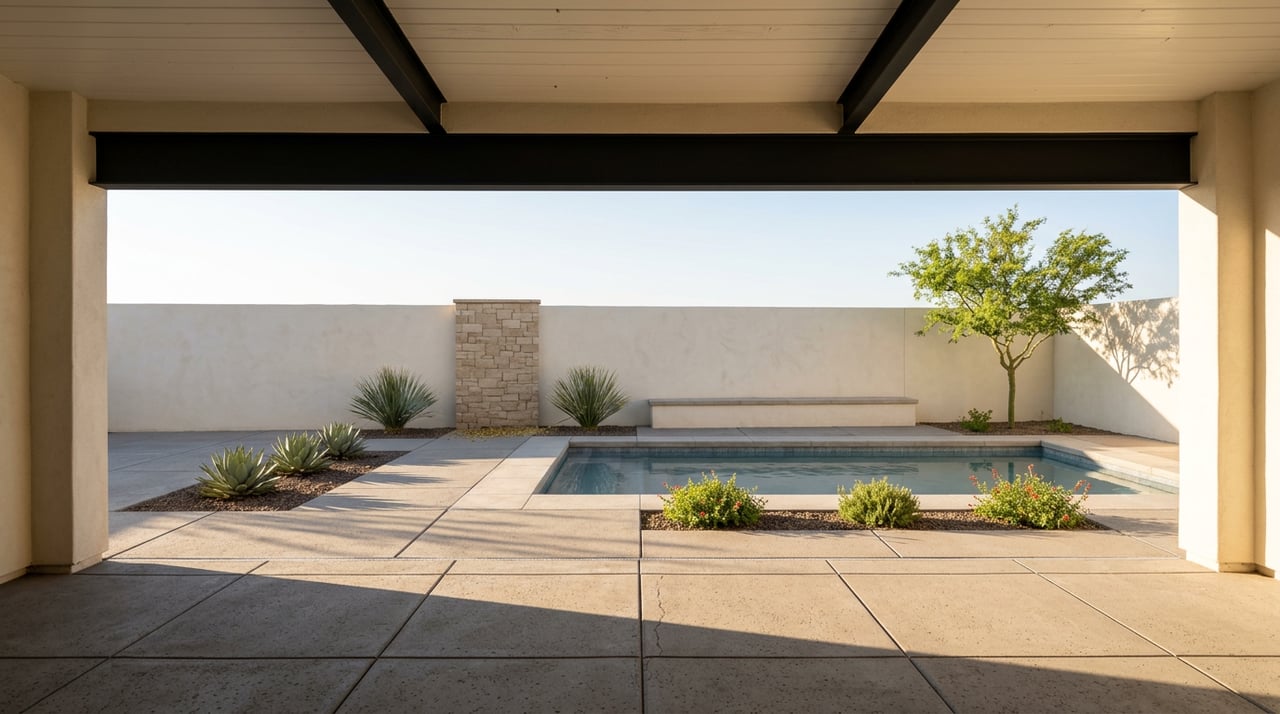
Consider upgrades that deliver outdoor living without the same upkeep or liability. Popular choices include covered patios, hardscape seating areas, shade structures, artificial turf, small plunge pools or swim spas, or access to a community pool if available.
In Glendale’s climate, a pool can be a selling feature, especially where neighbors already have them and during warm-season marketing. Still, pools rarely return their full installation cost, and value depends on comparables, condition, safety, and documentation. If you will use the pool often and can manage upkeep, personal enjoyment can tip the scales. If you are focused on resale alone, study your neighborhood’s comps and consider lower-maintenance outdoor upgrades.
If you want a clear read on your home and neighborhood, reach out. Our team can help you weigh buyer demand, timing, and presentation so you make a confident decision. Connect with Christina Ramirez to get started.
Stay up to date on the latest real estate trends.